
Join a Powerful Community
We are a "by us, for us" practitioners' community for the CEOs and executive teams of nation’s the leading youth-supporting nonprofits. Our 170+ member organizations work in K-12 education and youth development, postsecondary to workforce pathways, and democratic and civic engagement.
When joining the Alliance, organizations pay an annual membership fee that includes unlimited access to six distinct program offerings for your CEO and executive team. All programming is opt-in and APA develops new programming each year, responsive to new needs that arise in the field.
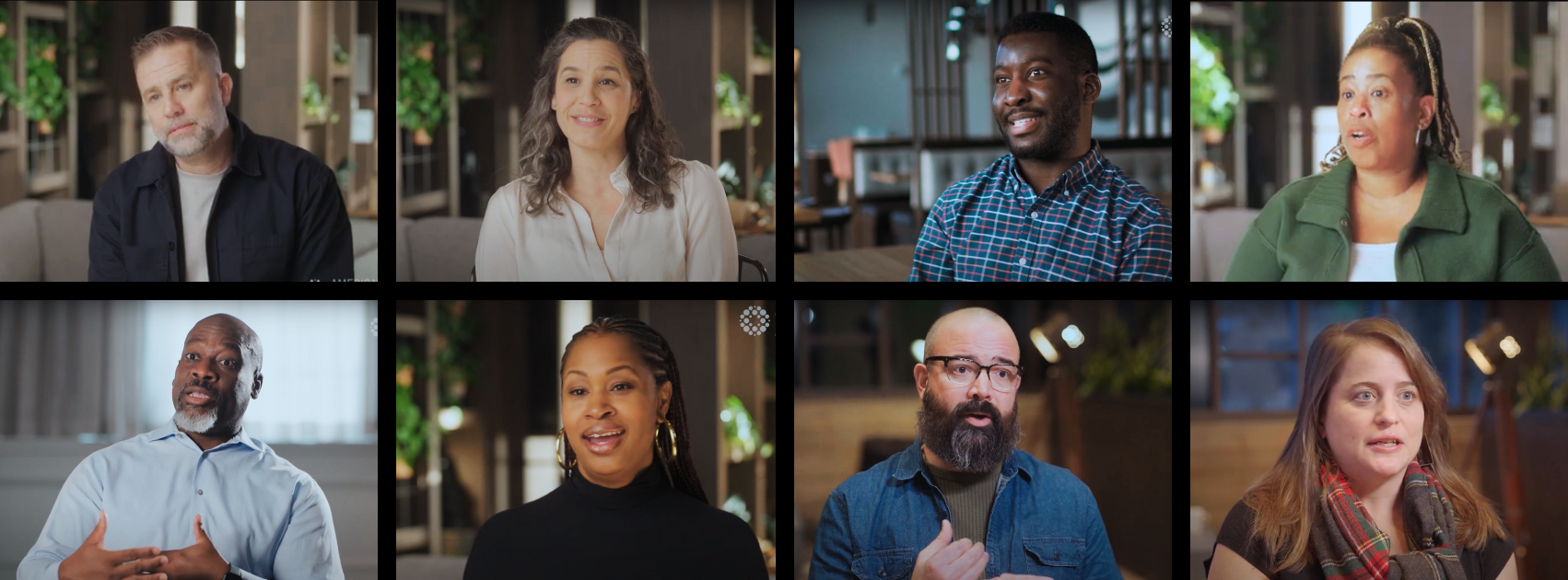
Hear leaders from our member organizations talk about their Alliance experience in these video testimonials.
Be a part of something bigger:

A Thriving Community
-
In 2024, we added 50+ new member organizations
We have expanded our reach to 150+ organizations and 750+ executive leaders.
-
Over the last two years, leaders spent a total of 17,000+ hours in Alliance programming.
7,898 hours in 2024 alone (the average organization spent 72 hours in Alliance programming in 2024).
Delivered 50+ leadership cohorts serving 500+ leaders
Facilitated 16 capacity-building program tracks, serving 125+ organizations and 580+ leaders
57 knowledge sharing sessions
-
88% of leaders report that it is important for them to participate in the Alliance community next year. Our 2024 Net Promoter score is 25. Since we launched this community three years ago, we have retained
87% of all members who decided to join.
For 44% of our executive leaders, we were the only community they engaged in during 2024 to support their professional development and to pursue collective action opportunities.
Focused on Impact
-
Leaders feel the Alliance is helping them improve their organizations by:
Enhancing the skills and capacity of their participating leaders (89%)
Deepening their understanding of current field dynamics and issues to improve decision making (88%)
Increasing their ability to seek and receive support from other organizations in the Alliance (83%)
Strengthening key functions in their organizations such as school partnerships, AI capabilities, BOD. (76%)
Providing access to experts and resources otherwise unavailable to their organization (76%)
Elevating the visibility of their organization’s work for others in the field (76%)
-
Participation in the Alliance community leads to significant positive impact on the development of participating leaders.
92% of leaders felt deeply supported by other leaders in the Alliance.
89% felt a sense of belonging in Alliance community spaces.
-
The support leaders receive from the Alliance community is having a positive impact on their perceptions of the field and their willingness to persist in the work. This is especially important at a time when leaders are addressing multiple, intersecting challenges, and where burnout remains a constant issue in organizations.
82% feel more optimistic about the power of the social sector to affect positive change in our country
79% feel less lonely and isolated in their work
69% feel more committed to continuing their career in the social sector
62% feel greater satisfaction with their current role
62% feel more committed to continuing to work in their organization

Achieving Collective Action
-
In the past 2 years, we have:
Helped our member organizations develop new AI tools to advance their mission
Helped member organizations strengthen their school partnership models during a time of receding ESSER funds
Ran a year-long series on leading in a complex election year
Created dialogue among top-tier philanthropists and member organization CEOs on effective fundraising practice, and
Helped our members understand & respond to the implications of the new administration on their work.
Launched two new place-based partner-city strategies in Atlanta and Denver
-
We work in partnership with our community to identify the most promising opportunities in our issue areas that were too big or too complex for any one organization to address on their own. The community identified six top issues:
Youth mental health
The emergence of nondegree postsecondary pathway programs,
Addressing teacher pipeline shortages
Strengthening formal partnership between colleges and nonprofits who support first generation college students
Ensuring that the emergence of AI improves (and does not decrease the quality of) college advising
The need for a renewal of civic engagement and bridging social divisiveness among the rising generation of young people.
Learn more about our multi-org collaborations here.
-
In February of 2025, we released our first annual State of Young People research report. In partnership with Mathematica, APA engaged a nationally representative sample of 1,500 young people and explored a research agenda that was co-created by 50+ Alliance member organizations. This year’s research focused on issues including social divisiveness and healing, civic education, artificial intelligence, and mental health. Learn more about our research here.

“The opportunity to be part of a powerful network of leaders and resources is simply invaluable. Though I am fairly new to the APA community, I have deeply appreciated the chance to learn from other leaders. My leadership cohort has already provided access to a tremendous group of peers, and knowing that I have a safe, supportive, and confidential space is highly reassuring.”
Kim Gustafson, Senior Director of Scholarship Operations, APIA Scholars
Join Today
Is your organization interested in joining our growing community? Apply now to join the Alliance.
